

 Submit Your Request Now
Real projects don't always look like textbook plasma or serum workflows. You might be planning a decentralized cohort where participants mail in dried blood spots (DBS), a hematology study that includes bone marrow plasma, or a cell biology program capturing conditioned media (CM) and co-culture supernatants. The question researchers actually need answered isn't just "Can Olink do it?"—it's "What do I need to clarify up front so the study runs smoothly?"
Two quick scenarios from recent inquiries set the stage:
- A longitudinal study with 100 participants and four DBS time points needed to know whether the sample format and repeated collections would change setup, volume budgeting, and QC expectations.
- A postdoctoral team working with patient peripheral plasma and bone marrow plasma asked whether both matrices could be planned in the same project and if duplicate testing across four panels would still be realistic.
The short answer: serum and plasma remain the easiest on-ramp. But Olink can support more than those baselines. For non-standard matrices like DBS, bone marrow plasma, and conditioned media, success hinges on clearer pre-analytical descriptions, tighter matrix awareness, and earlier feasibility conversations.
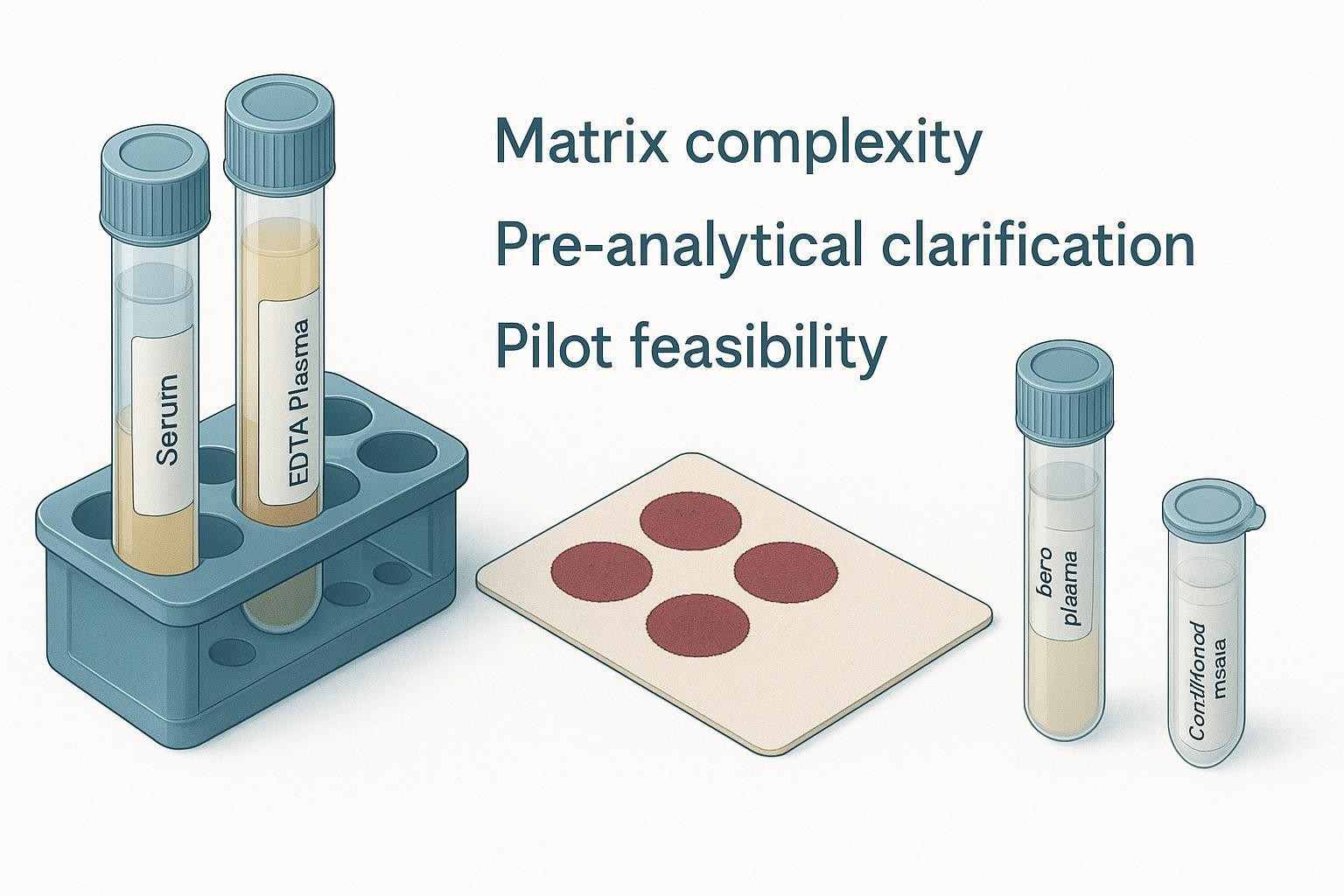 Figure 1. Olink study planning becomes more complex when researchers move from standard serum/plasma matrices to non-standard sample formats such as DBS, bone marrow plasma, and conditioned media.
Serum and plasma are still the standard starting point
Why serum and plasma remain the most established matrices
Olink explicitly recommends serum and EDTA plasma as starting matrices, and much of the platform's routine setup, dilution schemas, and comparability assumptions are optimized here. Olink also notes that additional matrices are compatible with PEA, but expression levels differ by matrix, and certain assays can be affected by interfering substances such as hemolysate. See the technology overview and documents/FAQ for assay-level details and validation scope in official resources like the What is PEA explainer and the Documents hub and FAQ.
- According to those Olink pages (accessed 2026), plasma/serum are recommended while other matrices are possible; protein levels vary by sample type, and some assays are sensitive to interferents such as hemolysate. Consult assay- and panel-level documents linked from the Documents hub when planning beyond standard matrices.
What changes when you move beyond standard matrices
Non-standard does not mean "not feasible." It means you'll need stronger front-loaded clarification so dilution placement, dynamic range, QC, and interpretation match your matrix. Think of it this way: the same biological question can face different background and recovery constraints depending on whether you're working with Olink dried blood spots, bone marrow plasma, or conditioned media. Matrix awareness avoids late-stage surprises.
Table: Standard vs non-standard matrices in Olink project planning
| Matrix type | Typical planning complexity | Why extra clarification may be needed |
| Serum/Plasma | Low | Established protocols and comparability; routine dilution schemas |
| DBS (dried blood spots) | Medium–High | Card/device, punch/elution workflow, storage/humidity, longitudinal consistency |
| Bone marrow plasma | Medium | Anticoagulant and processing timeline; interpretation vs peripheral plasma |
| Conditioned media / co-culture | High | Media recipe/serum background; blanks/controls; replicate and volume constraints |
What to include in your first inquiry (serum/plasma projects)
- Matrix (serum or EDTA plasma), anticoagulant, and processing timeline
- Available volume and aliquot format; freeze–thaw history
- Desired panels and target throughput
- Any cross-center handling differences you expect
What "non-standard matrix" really means in project planning
It's not just about the sample name
In non-standard matrix discussions, the label alone is rarely enough. "DBS," "bone marrow plasma," or "co-culture supernatant" each hides critical pre-analytical choices—collection devices, anticoagulants, media recipes—that decide dilution placement, background burden, and pass rates.
It's about collection context, matrix composition, and interference risk
Protein abundance and interference risk are matrix-dependent. Olink cautions that some assays can be affected by substances like hemolysate, and that expression varies by sample type. For CM, serum supplements raise background; for DBS, punch size and elution affect yield; for bone marrow plasma, timelines and anticoagulants shape comparability.
Why early feasibility discussion matters more than late troubleshooting
Early feasibility aligns matrix metadata with panel/dilution choices, sets realistic expectations for LLOQ/LLOD behavior, and avoids re-plates or sample attrition. A short pilot can answer whether your background is too high, whether two dilutions are prudent, or whether matched peripheral plasma is needed for interpretation.
What to include in your first inquiry (non-standard matrix overview)
- Matrix origin and collection context (device/card, anticoagulant, media recipe)
- Processing timeline and workflow (centrifugation, elution, filtration)
- Aliquot format, total volume, and freeze–thaw history
- Study design (time points/replicates) and planned controls/blanks
Can Olink be used for dried blood spots (DBS)? Using Olink dried blood spots in longitudinal designs
Why DBS is attractive for longitudinal and decentralized studies
DBS enables repeated, low-burden sampling across large cohorts, supports mail-in or field collection, and demands very small volumes. For longitudinal research, the practical upside is obvious: time points are feasible outside clinic walls, and cold-chain constraints can be simplified when drying is controlled.
What the public evidence already supports
Olink's DBS-focused technical evaluation on the Olink publications portal shows that drying had only minor influence compared with matrix and temperature, that liquid vs dried DBS correlations can be very high within the same matrix, and that plasma vs whole-blood comparisons are inherently less correlated, as expected for different matrices. Long-term stability analyses in biobanked neonatal DBS suggest higher retention when stored colder (e.g., −24 °C outperforming +4 °C over decades). See Olink's publication page, Stability of Proteins in Dried Blood Spot Biobanks, for details and figures.
- Planning takeaway: Feasibility is supported, but correlation varies by protein and context; design for consistency and verify with a pilot.
What researchers should clarify before starting a DBS-based Olink study
For a 100-participant × 4-time-point design, confirm the collection device/card type, punch diameter/number, elution workflow (buffer, time, mixing), and storage conditions (humidity control, desiccant, −20/−80 °C if applicable). Note whether all centers and time points use the same process. A small pilot can test extraction yield, within-person variability, and QC pass rates before scaling.
- Mini-case: 100 participants × 4 DBS time points. The team standardized the card type and punch to 3 × 3.2 mm per analysis, used a unified elution protocol, logged storage humidity, and piloted eight participants to confirm extraction yield and pass rates before full rollout, consistent with feasibility signals in Olink's DBS evaluation.
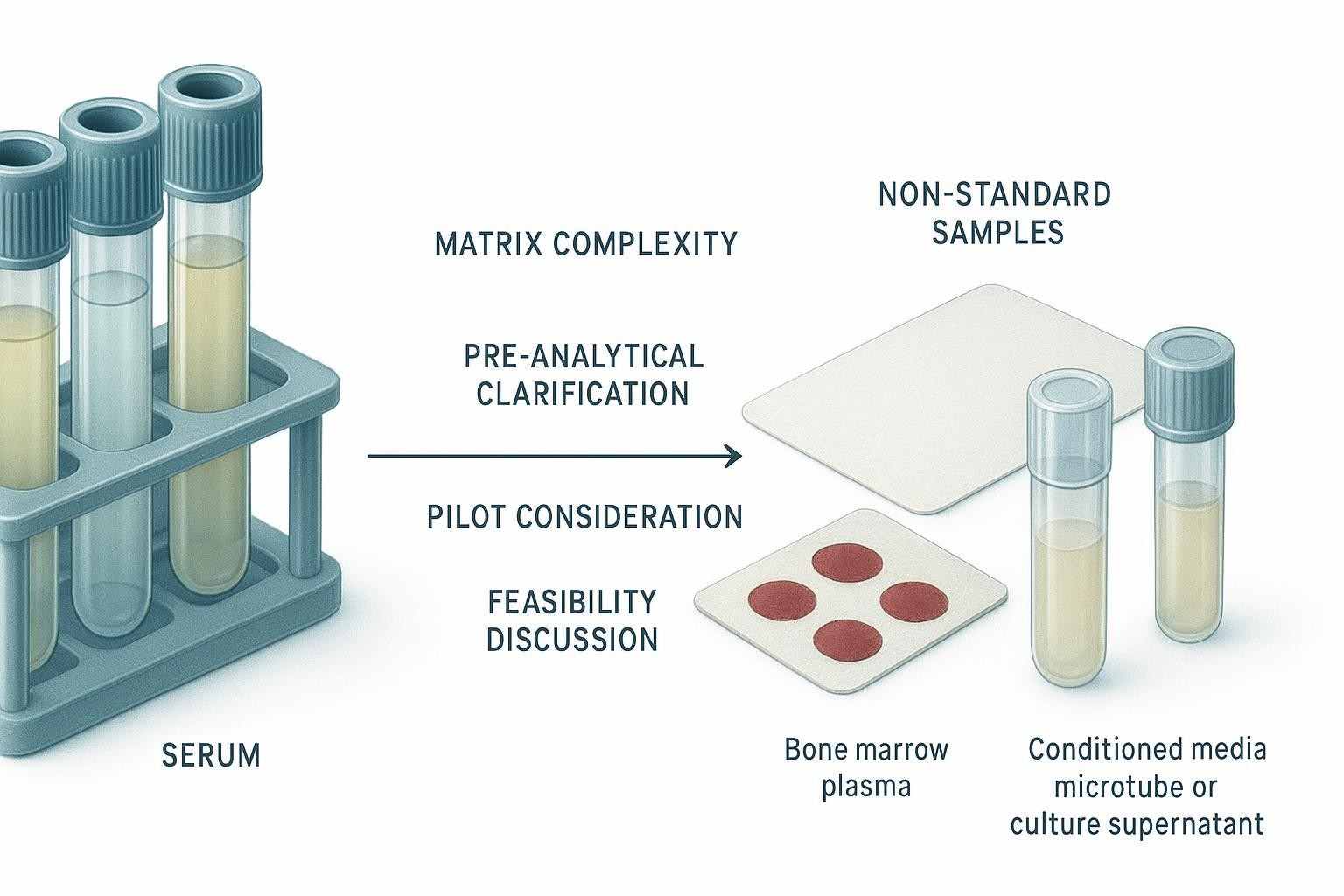 Figure 2. In DBS-based Olink studies, longitudinal design and collection consistency are often as important as panel choice.
What to include in your first inquiry (DBS projects)
- Card/device model, punch diameter/number, and elution buffer/volume
- Storage conditions and humidity control; shipping plan
- Time-point schema and whether all samples share the same collection process
- Proposed pilot (sample count, dilutions) and target panels
Can Olink be used for bone marrow plasma?
Why bone marrow plasma raises a different planning question
Bone marrow plasma is blood-derived yet sourced from a distinct microenvironment. It's a mistake to assume it behaves exactly like peripheral plasma. Anticoagulant choice, processing timelines, and potential cellular content can shift dilution placement and background.
What to specify in the first inquiry
Describe the source (indication/site), anticoagulant (e.g., EDTA vs heparin), and processing timeline (time to first spin; temperature control). State volumes and aliquot plan, freeze–thaw history, whether matched peripheral plasma exists, and how consistently samples were handled across centers.
When mixed-matrix thinking can complicate interpretation
If you plan to analyze peripheral plasma and bone marrow plasma in the same project (or even on the same plate), clarify the comparison logic upfront. Differences may reflect matrix origin as much as biology. That's why mixed-matrix pilots often include matched peripheral plasma and predefine the interpretation framework.
- Mini-case: Patient peripheral plasma + bone marrow plasma + duplicates across four panels. The PI supplied anticoagulant and timeline metadata and agreed to a pilot: 6 matched pairs, two dilution placements, plus pre-specified comparison rules to separate matrix effects from biology. Duplicates were retained only for the final panel selection to conserve volume.
What to include in your first inquiry (bone marrow plasma projects)
- Source/site and anticoagulant; processing timeline and temperature control
- Available volume, aliquot plan, and freeze–thaw history
- Whether matched peripheral plasma is available and how matrices will be compared
- Proposed pilot size and dilution strategy
Can Olink be used for conditioned media and co-culture supernatants?
Why conditioned media is biologically useful but analytically different
Conditioned media captures secreted factors and cytokines in a context that directly reflects cell state, stimulation, and co-culture interactions. Analytically, however, background composition depends on the media recipe and serum supplementation, which can elevate baseline signals and narrow dynamic range. Blanks and media-only controls are essential to interpretation.
Peer-reviewed secretome studies have successfully profiled conditioned media using Olink Target 96 panels—for example, adipose-tissue CM quantified inflammatory secretomes with careful normalization and documentation of collection context (see Quantifying the inflammatory secretome of human intermuscular adipose tissue, 2022). For experimental design guardrails, reviews of extracellular vesicle/CM workflows emphasize how soluble cytokines and media composition can confound interpretation without appropriate blanks and serum documentation (e.g., EV/CM confounding overview, 2023).
What details matter before asking whether "one well is enough"
Before debating whether a single well suffices, document the media formulation (brand/lot), serum level or replacements, collection time, pre-clarification (spin/filtration), and any concentration/dilution plan. Total available volume and replicate strategy are the practical limiters; media-only blanks and appropriate controls (vehicle-only, non-stimulated cells) are non-negotiable for clean interpretation. Olink's FAQ acknowledges that non-standard matrices like CM have been tested, though panel-specific details depend on documentation.
Why pilot thinking is often more realistic for non-standard supernatants
A brief pilot with two dilutions and media-only blanks can confirm whether background, serum supplements, or carryover confound your readout. For co-culture, define contact vs transwell, cell ratios, per-well volumes, and time points in the pilot brief.
- Mini-case: Cultured fibroblast CM. The team documented the DMEM + 2% FBS recipe and 24 h collection, pre-cleared at 300 × g then 2,000 × g, and piloted two dilutions with media-only blanks; cytokine targets landed in-range without over-dilution.
- Mini-case: Macrophage–tumor organoid co-culture supernatant. Contact co-culture, 48 h collection, matched monocultures and media-only blanks included; a two-dilution pilot identified background that required lowering serum to 0.5% during the final 12 h.
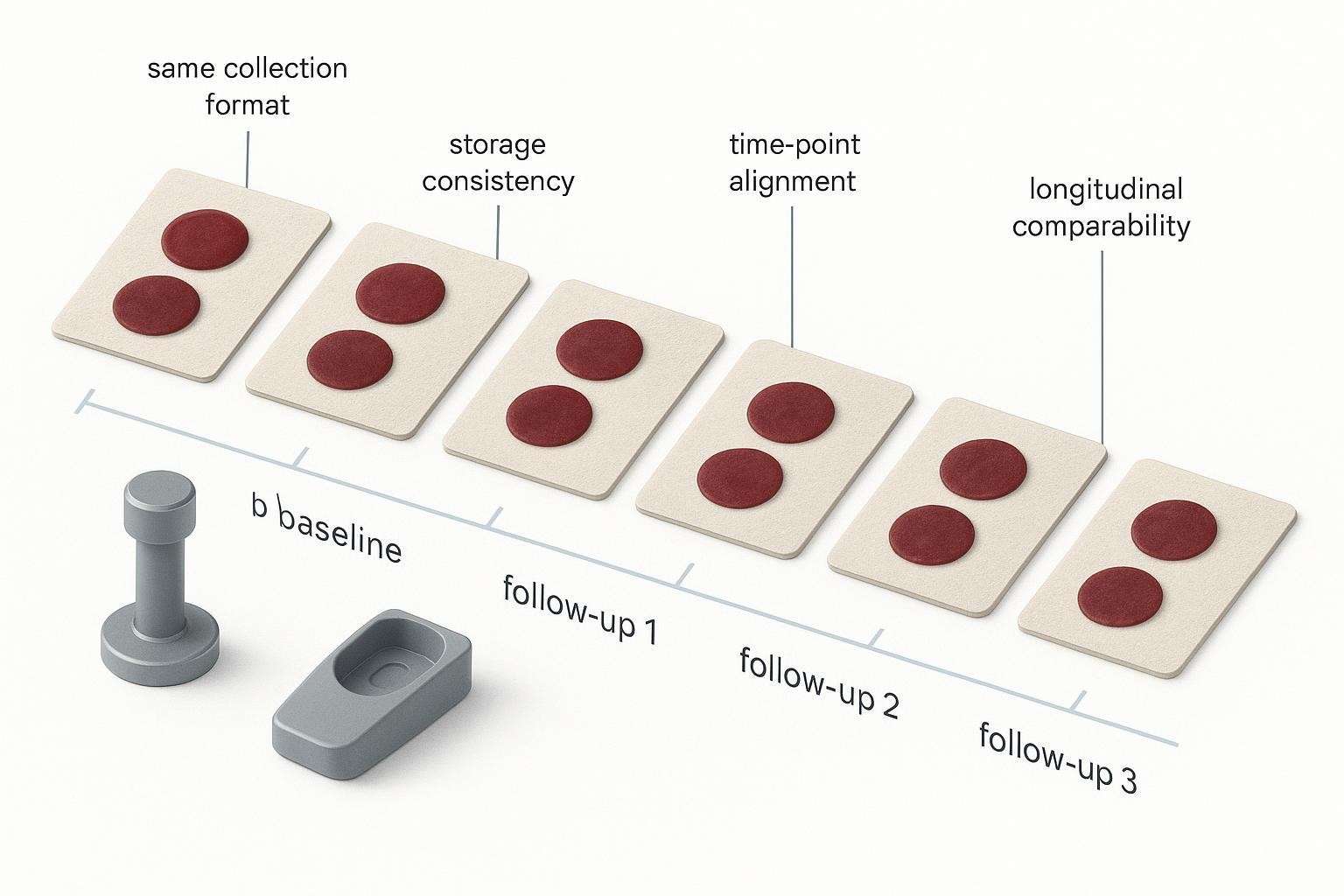 Figure 3. For non-standard Olink matrices, project readiness depends on sample context, processing details, available volume, and study structure—not on matrix name alone.
What to include in your first inquiry (conditioned media projects)
- Media recipe and serum supplementation (brand/lot and %); collection time and cell state
- Pre-clarification steps and any concentration/dilution plan
- Total available volume, replicate strategy, and plate layout idea
- Planned blanks/controls (media-only, vehicle-only, non-stimulated)
What to clarify about volume, aliquots, and freeze–thaw before you submit special samples
Why whole-tube submission and aliquot history matter
Freeze–thaw cycles degrade data quality. Submitting one "whole tube" can sound convenient, but it often forces repeated thaws as work progresses. Pre-aliquoting into the right volumes prevents thaw–refreeze loops, improves pass rates, and makes pilot iterations less risky.
Public guideline details researchers can use immediately
From a publicly available Creative Proteomics Olink submission guideline: plan for approximately 50 µL per sample in 96-well plates and 100–500 µL per sample in Eppendorf tubes; store at −80 °C; ship on dry ice; and avoid repeated freeze–thaw events. For non-standard matrices, 3–4 pilot samples (about 50–60 µL each) are recommended before scaling. See the PDF: Olink Proteomics Sample Submission Guidelines.
- These operational numbers help translate ideas into plate maps and shipping prep. For plate-based submissions, use low-binding plastics and appropriate −80 °C sealing films.
What to do if your sample is limited or irreplaceable
If your volume is borderline, say so early. A right-sized pilot can preserve irreplaceable material by confirming dilution and background first. Document every freeze–thaw to protect interpretation; when in doubt, down-select panels after pilot results.
What to include in your first inquiry (volume/aliquot/freeze–thaw)
- Total volume per sample and current aliquot format
- Precise freeze–thaw count and storage temperature
- Preferred submission format (plate vs tube) and shipping window
- Whether a pilot is needed to conserve limited material
When a pilot or pre-study feasibility step is the smarter option
The logic behind pilot testing for non-standard matrices
Pilots de-risk matrix effects, confirm dilution, and quantify background before hundreds of wells are committed. They also align interpretation when mixed matrices are involved (e.g., bone marrow vs peripheral plasma) and validate that longitudinal DBS handling is sufficiently standardized.
Which projects most benefit from this step
- Longitudinal DBS with decentralized collection
- Mixed-matrix studies (peripheral plasma + bone marrow plasma)
- Conditioned media/co-culture with serum supplements
- Low-volume or irreplaceable samples where re-runs are impossible
What a pilot discussion should include
Plan 3–4 pilot samples per non-standard matrix at ~50–60 µL each, include media-only blanks for CM, and consider two dilutions to test dynamic range. Define success criteria (QC pass rate, signal distribution, key targets above LLOQ) and a decision rule for panel selection.
Table: When should you consider a pilot before starting a non-standard Olink project?
| Situation | Why a pilot may help | What to clarify first |
| Longitudinal DBS | Validate extraction yield and consistency | Device/card, punch/elution, storage plan |
| Bone marrow vs peripheral plasma mix | Define comparison and avoid matrix confounding | Anticoagulant, timelines, volumes, aliquots |
| Conditioned media/co-culture | Quantify background; choose blanks and dilutions | Media recipe/serum, blanks, collection time |
| Low-volume or irreplaceable samples | Optimize aliquots and dilution before scaling | Freeze–thaw history, minimum viable volume |
Neutral example (pilot handoff): Some teams choose to run a short pilot through a specialist provider. For instance, Creative Proteomics (Olink services) can accept 3–4 pilot samples per matrix, advise on two-dilution placement, and return a quick QC/data snapshot before panel and volume are finalized. This approach helps conserve limited material while aligning design choices.
What to include in your first inquiry (pilot planning)
- Which matrix/matrices need a pilot and why
- Sample count per matrix and whether two dilutions are feasible
- Controls/blanks to include (e.g., media-only)
- Decision criteria for proceeding to full scale
A practical checklist for your first inquiry about non-standard samples
What to include for DBS projects
- Card/device type; punch diameter/number; elution buffer/volume
- Storage and humidity control; shipping plan
- Time-point schema and cross-center collection consistency
What to include for bone marrow plasma projects
- Source/site; anticoagulant; processing timeline and temperature
- Volume and aliquots; freeze–thaw history
- Whether matched peripheral plasma is included and how comparisons are framed
What to include for conditioned media projects
- Media recipe and serum level (brand/lot); collection time/state
- Pre-clarification and any concentration/dilution plan
- Blanks/controls; total volume and replicate strategy
FAQ
Are serum and plasma still the preferred matrices for most Olink studies?
Yes. Olink's official resources indicate serum and plasma as recommended starting points, with other matrices being compatible but matrix-dependent in expression and potential interference. Assay documentation and FAQs provide panel-specific notes on sensitivity to interferents like hemolysate and typical dilution schemas.
Can dried blood spots be used for Olink proteomics?
Yes, with planning. Olink's DBS technical evaluation supports feasibility, showing minor drying effects relative to matrix/temperature and strong within-matrix correlations in certain comparisons. Plan for consistent device, punch/elution, storage, and consider a small pilot to test extraction yield and QC pass rates (see DBS stability/feasibility on Olink publications).
What makes a longitudinal DBS project different from a standard plasma study?
Collection logistics and pre-analytics dominate: device/card standardization, punch diameter, elution protocol, humidity and storage control, and time-point alignment. The biology may be the same, but background and recovery will reflect DBS handling choices—so front-load consistency and pilot where possible.
Can bone marrow plasma be treated the same way as peripheral plasma in planning?
No—assume differences until proven similar. Clarify anticoagulant, processing timelines, and handling uniformity. If mixing matrices in one project, predefine how you'll compare them (and consider matched peripheral plasma) before committing to full throughput.
Can conditioned media or co-culture supernatants be analyzed with Olink?
Feasible, but context rules. Document media recipe and serum level, collection time, pre-clarification, and include media-only blanks. Consider two dilutions in a pilot to manage background and place targets within dynamic range (see adipose-tissue CM example and the EV/CM confounding overview).
Is one well enough for cytokine profiling in conditioned media?
It depends on background, target abundance, and your dilution plan. If serum supplementation is high or targets are low, you'll want replicate wells or a two-dilution pilot with blanks to verify signal placement before scaling.
Should I send the whole tube to reduce freeze–thaw cycles?
Pre-aliquoting is usually better. Public submission guidance recommends storing at −80 °C, shipping on dry ice, and avoiding repeated freeze–thaw. Aliquots sized to your planned runs prevent unnecessary thawing and protect data quality (see Creative Proteomics submission guidelines).
When should I discuss a pilot before submitting non-standard samples?
When the matrix is non-standard, volume is limited, interpretation could be confounded (e.g., mixed matrices), or when longitudinal logistics are complex. A 3–4 sample pilot with appropriate controls often saves both time and material.
Conclusion and next steps
Serum and plasma remain the default reference point for Olink projects. Non-standard matrices—including Olink dried blood spots, bone marrow plasma, and conditioned media—are feasible in many cases, provided the project context is clearly described. For these matrices, early clarification of origin, handling, volumes, and controls is far more valuable than late troubleshooting. The fastest path isn't asking "Can it be done?" alone—it's showing how samples were generated and what the study aims to answer. If you need a neutral feasibility run before scaling, a short pilot via a specialist provider like Creative Proteomics can help right‑size dilution and panel choices without overcommitting material.
Author: CAIMEI LI — Senior Scientist at Creative Proteomics