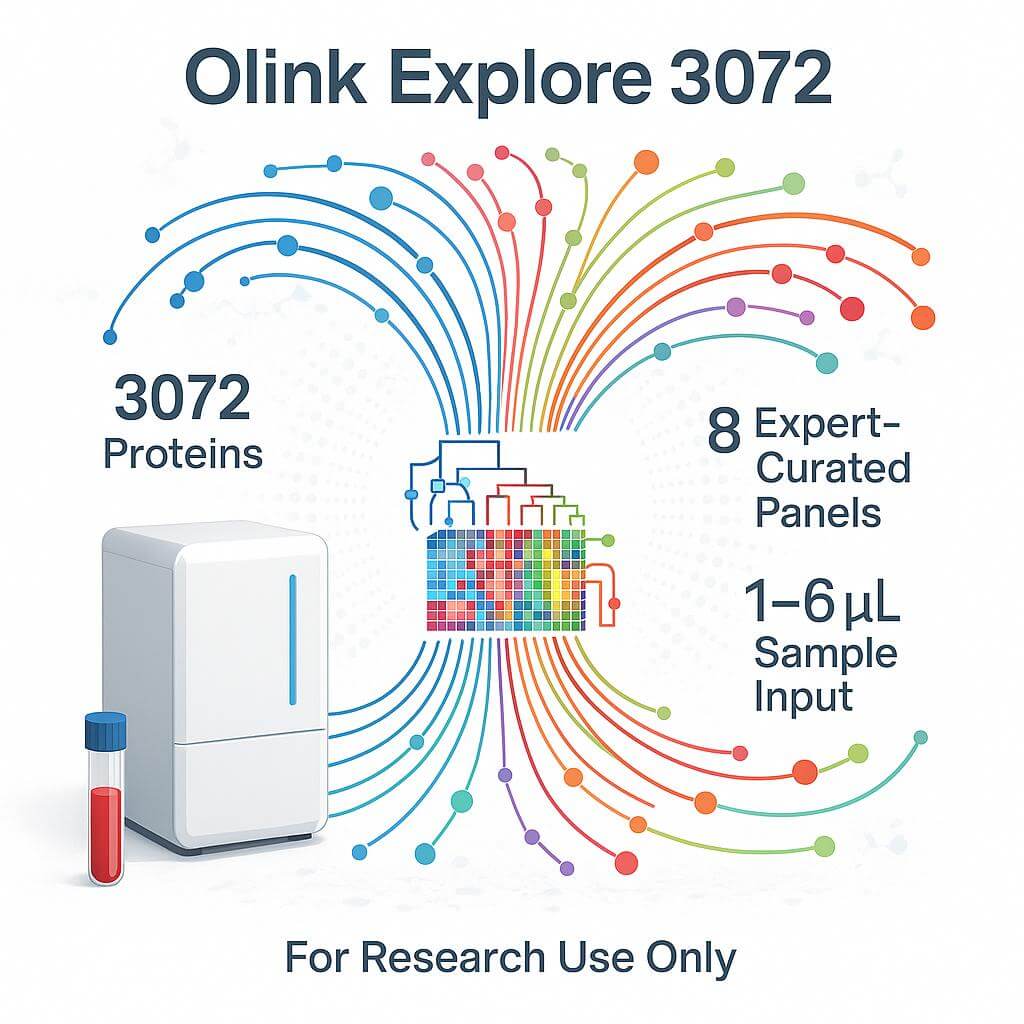
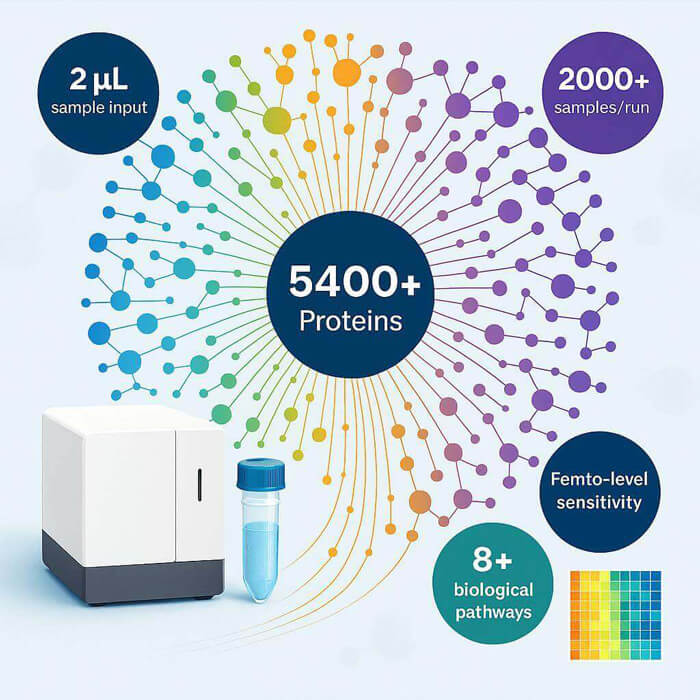
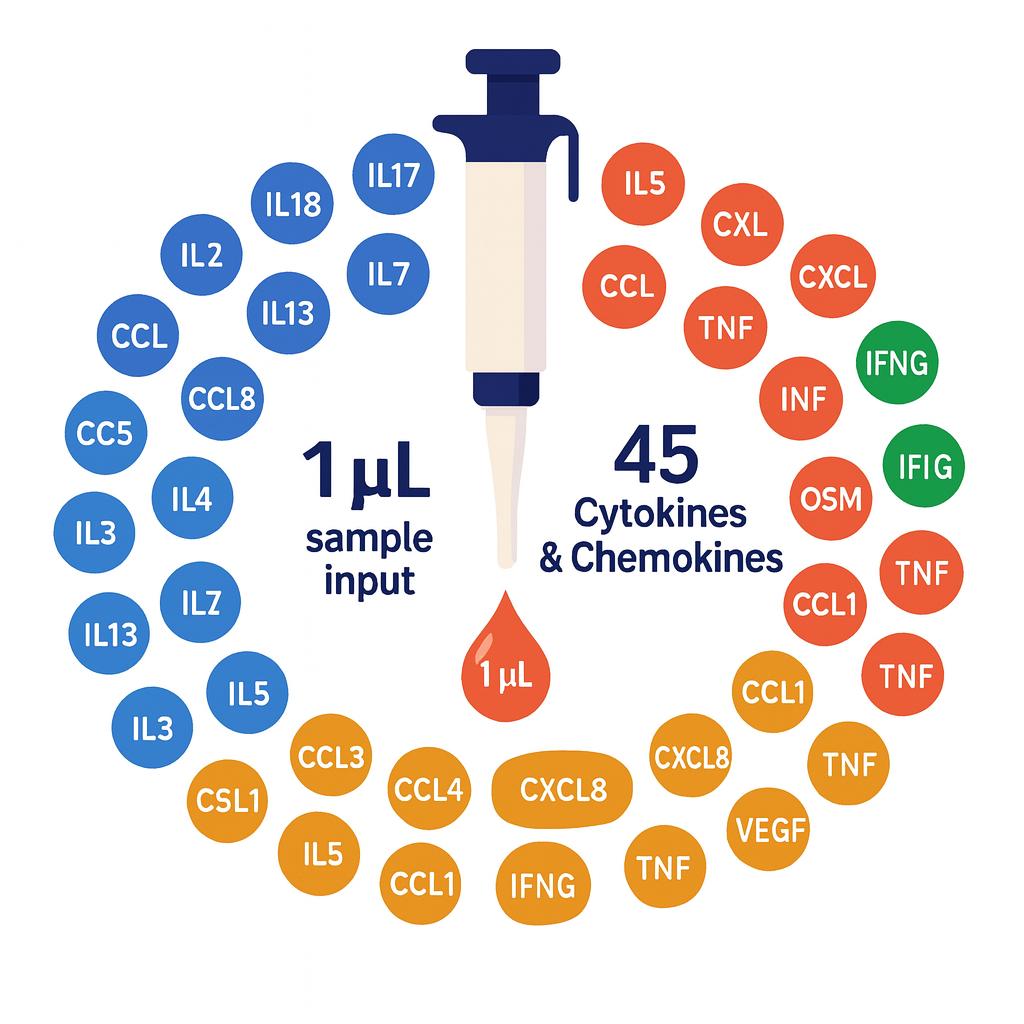
Submit Your Request Now
ALS biomarker programs increasingly aim to move beyond "one marker, one story." Teams want multiplex protein data that can support three things at once: comparison (how candidates behave relative to each other), prioritization (what to carry forward), and translational interpretation (why a signal might matter in biology and cohort context).
The trap is that "multiplex strategy" can quietly become "measure everything," especially when established and emerging proteins are mixed into one ambitious candidate list. In Olink Explore-based studies, the most important design work often happens before analysis begins: defining what the dataset should help you decide, assigning marker roles, and designing matrix/cohort structure so ranking is interpretable.
We'll use an anonymous mini-case as a through-line: an ALS project that planned to integrate NfL, pNfH, TDP-43, tau, interleukins, CHI3L1 (YKL-40), and ApoA1 to evaluate both individual markers and multi-marker performance—then realized the first step was not choosing the broadest panel, but scoping the study so those proteins could be compared and prioritized without analytical drift.
Key Takeaways: Start with the study objective (discovery vs ranking vs framework). Treat established markers as anchors, newer biology-linked candidates as high-interest but higher-uncertainty, and inflammatory/systemic proteins as context. If you use both plasma/serum and CSF, state whether you expect concordance or matrix-specific interpretation, and design the cohort to support the intended comparisons.
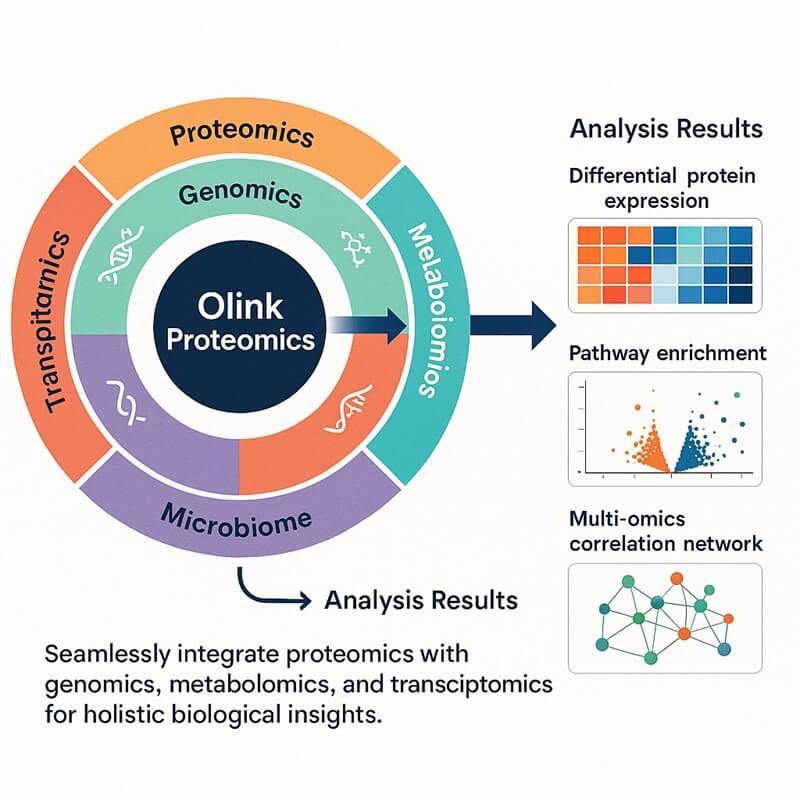 Figure 1. An ALS biomarker project becomes more actionable when a broad list of established and exploratory proteins is narrowed into a defined multiplex study strategy.
Not every ALS biomarker study is asking the same type of question
A multiplex dataset can support very different goals. Problems begin when a project tries to treat one dataset as simultaneously:
- a broad biology map,
- a marker-ranking engine, and
- a translational framework.
Those outputs require different assumptions and different cohort structures.
Broad neurodegeneration discovery and ALS-focused biomarker strategy are not interchangeable
Broad neurology-oriented profiling can be appropriate when you need to learn what biology is present in your matrices and cohort—especially in early programs or new sample types. But "broad profiling" is not the same thing as an ALS multiplex strategy.
A strategy implies intent: what you will compare, what counts as a meaningful marker in your study, and what "good enough to follow up" looks like.
A marker-ranking project is different from a biology-mapping project
A biology-mapping project can be exploratory ("these pathways differ"). A ranking project can't be that vague. Ranking requires:
- a primary comparison (and optionally a secondary comparison),
- pre-defined evaluation criteria, and
- cohort structure that supports those comparisons.
Without those, a ranked list often becomes an artifact of cohort composition, batch structure, or matrix effects.
The first scoping mistake is treating every ALS-associated protein as equally actionable
In practice, multiplex ALS projects become analytically vague when every plausible ALS-associated protein is treated as equally central. Multiplex design becomes clearer when you assign roles:
- Anchors (reference layer),
- Context markers (mechanism/heterogeneity), and
- Exploratory additions (expansion candidates, not guaranteed "winners").
Start with the study objective before building the multiplex marker strategy
A useful objective statement is simple and testable:
"At the end of this Olink Explore study, we need to be able to ___."
If you can't finish that sentence, the marker strategy will typically expand faster than interpretability.
Are you trying to discover signals, rank candidates, or support a translational framework?
Most ALS multiplex projects sit primarily in one category:
- Broad exploratory profiling: find signals/axes worth follow-up.
- Candidate ranking: compare a defined candidate pool and prioritize a shortlist.
- Translational framework: organize anchors + context into an interpretable model that explains heterogeneity and guides next steps.
One dataset can support multiple aims, but you need a primary objective so the analysis deliverables don't become internally contradictory.
The same marker list can serve very different goals
Using the mini-case list (NfL, pNfH, TDP-43, tau, interleukins, CHI3L1, ApoA1):
- In discovery, the list is "known biology + context," and you expect surprises.
- In ranking, the list is a candidate pool that must be judged against criteria.
- In framework-building, the list becomes marker roles and interpretive layers.
A defined objective makes multiplex results more interpretable
Objective clarity forces three scoping decisions that protect interpretability:
- Primary comparison (e.g., ALS vs controls; subgroup A vs B; baseline vs longitudinal change).
- What a ‘priority' marker means (e.g., robust across subgroups; adds incremental value beyond anchors; interpretable in matrix context).
- What the next step is (focused follow-up, orthogonal measurement, cohort expansion, integrated multi-omics).
Table 1. What kind of ALS biomarker study are you actually designing?
| Study type | Primary biological or translational question | What the analysis should prioritize | Common scoping mistake |
| Broad exploratory profiling | What signals appear in this ALS cohort (plasma/CSF) that merit follow-up? | QC + variance structure + interpretable discovery outputs | Treating exploratory hits as a prioritized shortlist |
| Candidate ranking | Which candidates outperform others for our defined comparison(s)? | Pre-defined comparisons + ranking criteria + robustness checks | Ranking without defining "better" for the objective |
| Translational multiplex framework | Can we build an interpretable anchor+context model for ALS heterogeneity? | Marker-role organization + subgroup logic + explainability | Mixing matrices/cohorts without comparability rules |
| Narrowing toward follow-up | Which small set should we carry forward, and why? | Shortlist rationale + stability + follow-up feasibility | Expanding the candidate list right before narrowing |
CTA: If your ALS biomarker study currently includes both established and exploratory proteins, share your matrix, cohort structure, and primary biomarker objective with our team so the project can be scoped more clearly before analysis begins.
Established and emerging ALS markers do not all play the same role in a multiplex framework
A frequent failure mode is letting "high interest" become "high priority" automatically. A multiplex strategy stays interpretable when you separate reference, candidate, and context roles.
Some markers anchor the biological relevance of the study
Neurofilament markers are often used as anchors because they are among the more replicated fluid biomarker signals in ALS work. For example, Lu and colleagues' paper on CSF pNfH is part of the evidence base behind pNfH's prominence in ALS biomarker discussions (Lu et al., 2012).
Blood-derived NfL has also been evaluated as an accessible marker with prognostic and stratification relevance in ALS cohorts (for example, Lu et al., Neurology).
In multiplex logic, anchors let you ask a disciplined question: does this candidate add information beyond the anchor layer?
Others expand mechanistic or inflammatory context
Proteins such as interleukins and CHI3L1 (YKL-40) can help interpret inflammatory/glial context and heterogeneity. Their value is often highest when you treat them as context markers that:
- explain why subgroups differ,
- suggest mechanistic clustering, or
- help interpret matrix-specific behavior.
CSF YKL-40 has been assessed as a candidate associated with ALS progression signals (see YKL-40 in sporadic ALS, 2018). In a multiplex strategy, this supports YKL-40 as a context layer marker rather than an always-on anchor.
A multiplex framework should be organized, not just enlarged
A practical role map for the mini-case list:
- Anchors: NfL, pNfH
- High-interest biology-linked candidates: TDP-43, tau
- Context layer (inflammation/systemic): interleukins, CHI3L1 (YKL-40), ApoA1
This doesn't claim any single protein is "the answer." It creates interpretive separation so you can prioritize without flattening everything into one blended signature.
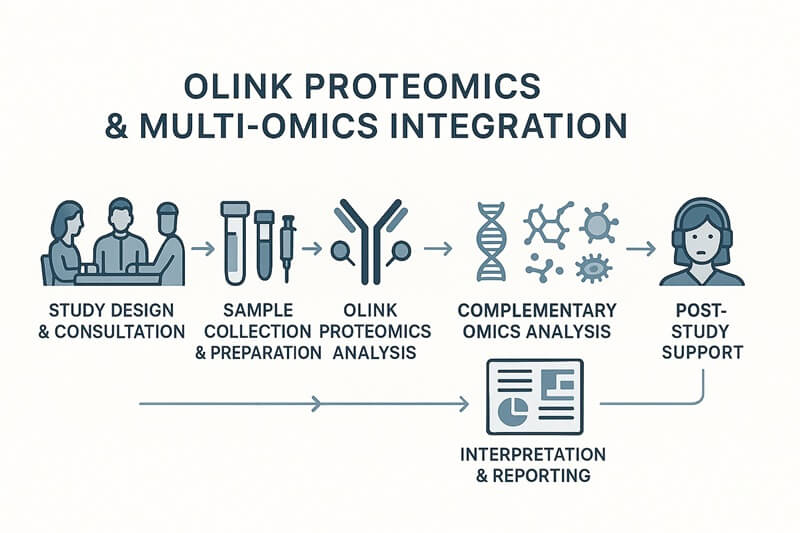 Figure 2. In a multiplex ALS biomarker strategy, established anchors and exploratory context markers play different roles in study design and interpretation.
How to distinguish broad exploratory neuroprotein profiling from an ALS-oriented biomarker strategy
Breadth is useful when it answers a question you actually have. It becomes counterproductive when it substitutes for objective clarity.
Broad neurology-oriented profiling is useful when biology is still unresolved
Broad profiling is a good fit when your program is still learning:
- what the dominant axes of protein variation are in your matrices,
- whether there are distinct biological subgroups,
- whether signals appear consistently enough to justify follow-up.
A neurology-oriented Explore path can be a logical entry point for this phase (see Olink Explore 384 Neurology Analysis and Olink Explore 384 Neurology II Service).
A narrower ALS-oriented strategy makes more sense once the disease question is defined
Once you have a defined comparison and pre-defined prioritization logic, the question often becomes: do we need broad coverage, or do we need a follow-up design that is easier to interpret and scale?
That is where a more focused path may make sense (for example, Olink Target 96 Neurology Panel).
The right analytical breadth depends on what decision the data must support
A scoping rule that prevents "analysis drift":
- If your primary output is pattern discovery, broader coverage can add value.
- If your primary output is candidate prioritization, breadth must be constrained by comparability and role separation.
Matrix and cohort design can reshape the value of ALS biomarker data
Matrix and cohort structure are not "ops details." They often determine whether a multiplex strategy is interpretable.
Matrix choice should follow the translational question, not habit alone
Because you're prioritizing both plasma/serum and CSF, state your matrix intent explicitly:
- Concordance intent: "We want to know which signals show consistent direction across plasma/serum and CSF, recognizing differences in magnitude."
- Division-of-labor intent: "CSF is treated as CNS-proximal biology; plasma/serum adds systemic context and scalability."
Also state whether matrices are paired (same individuals, aligned time points) or unpaired (different subsets). Paired designs support cleaner cross-matrix interpretation; unpaired designs can still be useful but should not be framed as if they support within-subject matrix comparisons.
Cohort structure matters: cases, controls, subgroups, and ALS heterogeneity
ALS heterogeneity is a first-order design constraint, not background noise. Reviews emphasize how heterogeneity affects interpretation and stratification (Balendra & Isaacs, 2020).
If your study will claim "panel interpretability" or "candidate ranking," your cohort must support that claim through:
- case/control logic that matches your primary comparison,
- subgroup structure aligned to your translational question,
- covariate discipline (site, batch, sampling timing).
The value of a multiplex strategy depends on whether the cohort supports the intended comparison
If subgroup comparisons are not supported by cohort structure, do not position the output as subgroup-stable prioritization. Use subgroup analysis as exploratory context instead.
For broader translational planning considerations around inflammatory context and cohort discipline, see Olink Immune Profiling Best Practices for Translational Research.
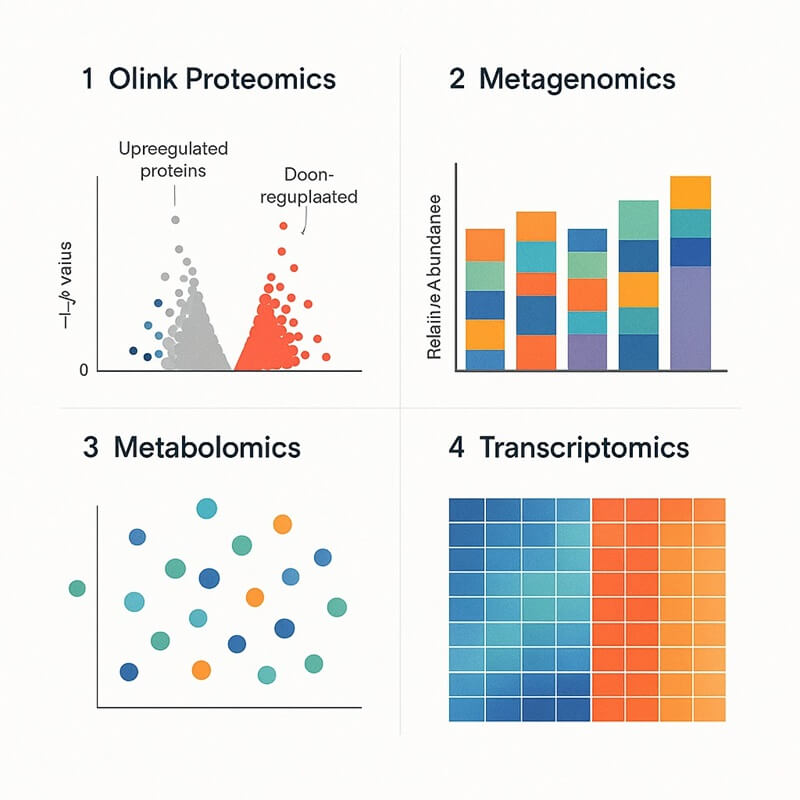 Figure 3. In ALS biomarker studies, multiplex value depends not only on marker choice, but also on matrix selection, case-control logic, and disease heterogeneity.
Multiplex ALS studies should be designed for prioritization, not just marker accumulation
A useful multiplex strategy narrows ambiguity. A bloated one multiplies narratives.
Adding more proteins is not the same as building a stronger framework
More proteins are helpful only when you can explain:
- what role each marker class plays,
- which subset is eligible for ranking,
- what decision the ranking is meant to support.
A good strategy narrows ambiguity rather than expanding a wish list
Define your prioritization criteria before analysis. Examples:
- Incremental value over anchors: adds information beyond NfL/pNfH.
- Robustness: stable signal across relevant subgroup structure.
- Interpretability: fits an explainable biological layer.
- Follow-up feasibility: lends itself to a focused next-step design.
Ranking logic works best when the project is already biologically structured
Anchors and context markers are not competing for the same job. If you separate their roles, you can prioritize candidates without forcing every protein into a single "top marker" list.
Table 2. What makes an ALS multiplex biomarker strategy more useful—not just broader?
| Design feature | Why it adds value | What it helps prioritize | What it does not solve alone |
| Clear primary objective | Prevents analysis drift | Which outputs matter most | Cannot compensate for weak cohort structure |
| Marker-role organization | Keeps interpretation coherent | Which signals are rank-eligible | Does not validate biology by itself |
| Explicit dual-matrix intent | Avoids cross-matrix confusion | Shared vs matrix-specific signals | Does not guarantee concordance |
| Cohort ready for comparisons | Makes heterogeneity interpretable | Subgroup-stable vs subgroup-specific signals | Does not eliminate confounding |
| Pre-defined ranking criteria | Reduces post-hoc storytelling | Shortlist with rationale | Does not replace follow-up confirmation |
When an ALS study is still broad discovery—and when it is ready for a more focused follow-up path
The transition point is not marker count. It is whether the project can define a stopping rule.
Broad discovery is still useful when the biomarker landscape is unresolved
Broad profiling remains appropriate when:
- your cohort biology is not well characterized in plasma/serum and CSF,
- you need to learn which biological layers dominate variance,
- subgroup structure is not yet stable.
A study becomes follow-up oriented once the marker question is narrowed
You are in follow-up mode when:
- you have a defined candidate pool,
- you can state what would make a candidate "worth carrying forward,"
- you can outline the next-step design.
When focused follow-up becomes the goal, custom approaches can become part of the planning discussion (see Custom Biomarker Set Olink — Flex vs Focus).
The transition point depends on objective, not just marker ambition
A practical checkpoint question:
- "What would make us stop broad profiling and commit to a shortlist?"
How to describe an ALS biomarker project clearly when requesting support
Define matrix and cohort structure first
State matrices, whether samples are paired, cross-sectional vs longitudinal structure, and case/control + subgroup design.
Then state whether the study is broad exploratory, candidate-ranking, or translationally narrowed
Choose one as the primary objective.
Finally explain what decision the protein data is meant to support
Examples: prioritize candidates for follow-up, assess incremental value beyond anchors, map context markers to subgroups.
Micro-checklist
Before submitting your inquiry, clarify:
- matrix type
- case/control and subgroup structure
- whether the study is broad exploratory or already focused
- which markers are established anchors versus exploratory additions
- whether the goal is discovery, ranking, or a translational multiplex framework
- what decision the protein data is expected to support
Common scoping mistakes in ALS multiplex biomarker studies
- Starting with a long marker list before defining the objective.
- Treating all proteins as equivalent in analytical role.
- Ignoring heterogeneity when claiming prioritization.
- Expanding the marker set before the translational question is stable.
Conclusion
A strong multiplex ALS biomarker strategy begins with a defined objective, not a longer marker list. When you assign marker roles (anchors vs context), design the cohort to support real comparisons, and treat matrix choice (plasma/serum and CSF) as part of the interpretation plan, Olink Explore data becomes far more usable for candidate comparison, prioritization, and downstream translational interpretation.
CTA: Planning an Olink Explore-based ALS biomarker study? Send us your matrix, cohort design, candidate-marker priorities, and primary translational question for a preliminary study-scoping discussion via Creative Proteomics Olink.
Author
CAIMEI LI — Senior Scientist at Creative Proteomics
Caimei Li supports Olink proteomics study planning for translational neuroscience, biomarker discovery, and cohort-based protein analysis. Her work focuses on helping research teams define biomarker scope, matrix logic, and analytical strategy before Olink studies begin.
LinkedIn: Caimei Li LinkedIn
Disclaimer
For Research Use Only. Not for use in diagnostic procedures.
FAQs
1. Why is a multiplex biomarker strategy useful in ALS research?
Multiplex design lets you separate different biological layers: a reference layer (often neurodegeneration burden), mechanistic context (inflammation/glial biology), and exploratory candidates. The practical value is interpretability—using role separation and cohort comparisons to move from "interesting signals" to a defensible shortlist.
2. How do I know whether my ALS study should remain broad exploratory profiling or move toward a more focused framework?
If you can't define a stopping rule (what outcome triggers narrowing), you're still exploratory. A more focused framework becomes realistic once you can state a primary comparison and pre-define what "priority" means for that comparison (robustness, incremental value, interpretability).
3. Can established and exploratory ALS markers be combined in the same Olink Explore study?
Yes, and it's common. The key is to define roles: anchors (reference), context markers (interpretation), and rank-eligible candidates (prioritization). Without roles, a combined marker set often produces a blended signature that is hard to translate into next steps.
4. What makes an ALS multiplex biomarker panel more useful than simply measuring more proteins?
A useful panel is designed for a decision: objective clarity, cohort structure that supports comparisons, and a pre-defined prioritization logic. Measuring more proteins without those elements can increase ambiguity rather than improve prioritization.
5. How should I think about cohort structure and heterogeneity in an ALS biomarker project?
Treat heterogeneity as a design input. If your study will claim subgroup-relevant insights, your cohort must support subgroup comparisons; otherwise, subgroup interpretations should be positioned as exploratory context. ALS heterogeneity is widely discussed as a core challenge for interpretation and stratification needs (Balendra & Isaacs, 2020).
6. What information should I provide before asking about an Olink-based ALS biomarker study?
Provide matrices (plasma/serum, CSF, or both), whether samples are paired, cohort structure (cases/controls and planned subgroups), primary objective (discovery vs ranking vs framework), and which markers you consider anchors vs exploratory additions.
7. When should an ALS study move from broad profiling to a more follow-up oriented path?
When you can define what would make a candidate worth carrying forward (stable behavior, incremental value beyond anchors, interpretable biological layer) and outline a focused next-step design. At that point, the analysis objective is "select and justify."
8. What is the biggest scoping mistake in ALS multiplex biomarker design?
Calling a project "strategy" when it's actually "accumulation." Strategy means objective clarity, marker roles, cohort comparisons that support interpretation, and prioritization outputs that map to a next-step plan.
References