Submit Your Request Now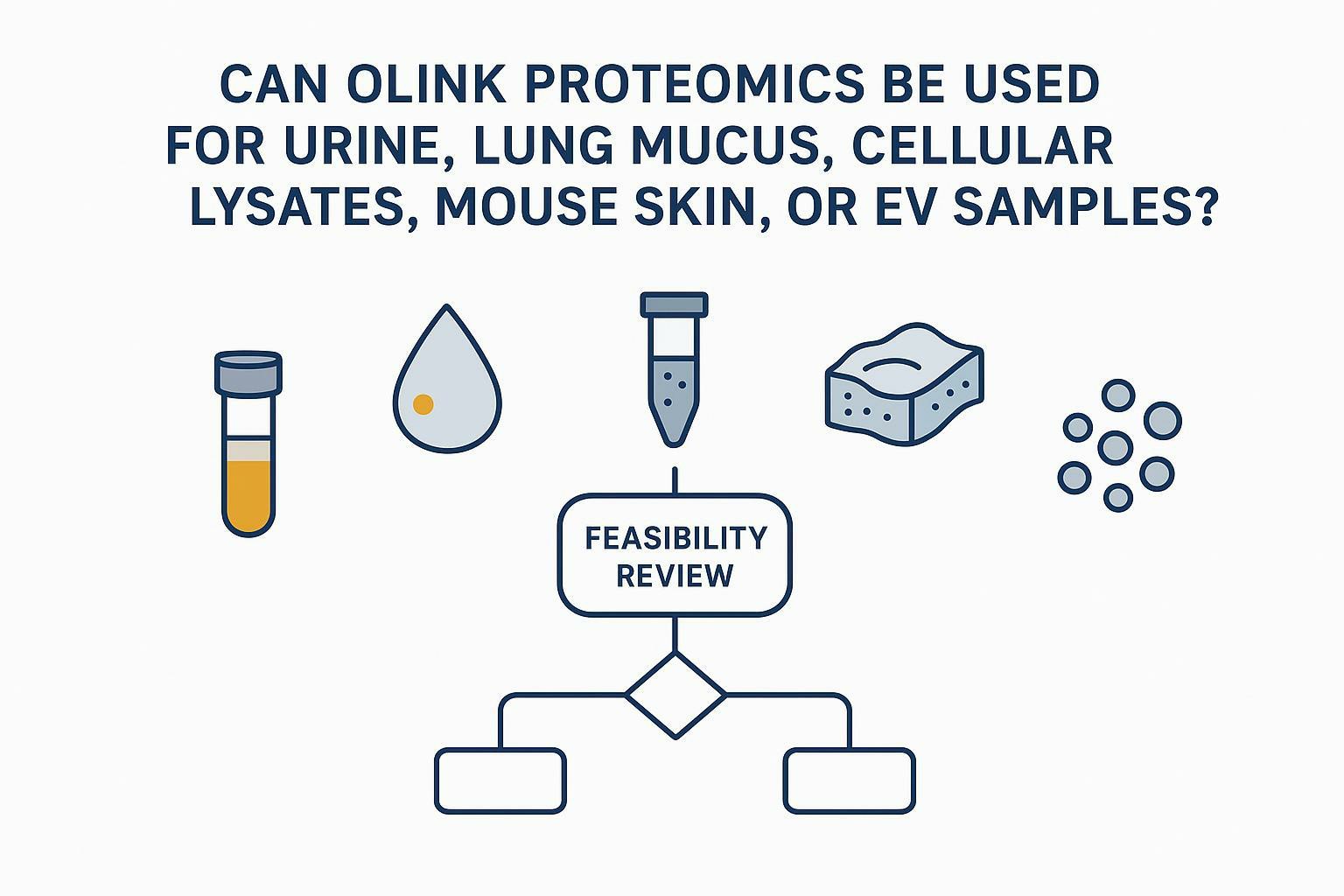
If you're evaluating Olink non-plasma samples—urine from a cohort, viscous lung mucus from a respiratory study, cellular lysates from an in vitro model, mouse skin extracts, or extracellular vesicle (EV) preparations—you're asking the right scoping question: Will this sample matrix yield interpretable targeted protein readouts, or should we do a feasibility review (and possibly a pilot) before committing the full study?
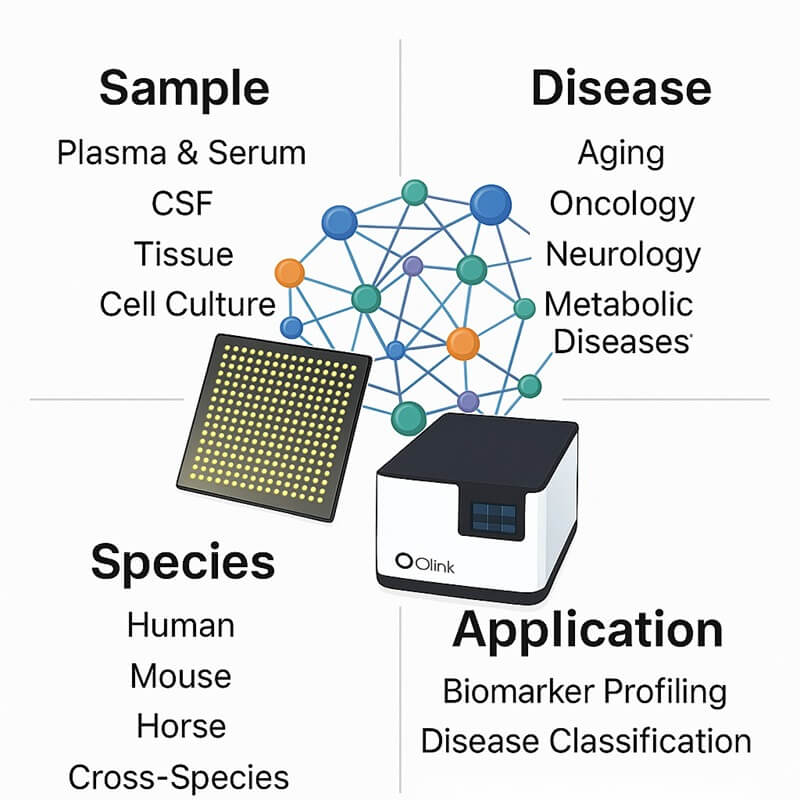
Plasma and serum are common starting points for Olink studies, but specialized matrices may be feasible. Suitability depends on the matrix, protein abundance, collection/processing, buffer composition, and whether the proteins you care about are covered (and likely detectable) in the panel.
Key Takeaway: For specialized matrices, the real question isn't "Does Olink work?" It's "Under our prep conditions, do we expect enough targets above background, with compatible buffers and manageable matrix effects?"
Standard vs specialized sample types in Olink proteomics
Plasma and serum are common starting points
Plasma/serum workflows are widely used because they align with circulating biomarker questions (inflammation, immune signaling, organ injury markers), are relatively standardized across cohorts, and are compatible with high-throughput logistics.
Specialized matrices need matrix-specific review
Non-standard matrices often vary more in:
- Protein concentration and dynamic range
- Interfering substances (salts, mucins, lipids)
- Viscosity and pipetting behavior
- Extraction chemistry (detergents, high salt, reducing agents)
- Sample-to-sample consistency (especially for tissues/lysates)
That's why feasibility is best treated as a matrix review rather than a simple yes/no.
Why panel choice depends on matrix (and biology)
For specialized matrices, panel selection should be reviewed from two angles:
- Biological fit: Are the proteins relevant to your biology (e.g., airway inflammation vs intracellular signaling)?
- Detectability: Are those proteins likely to be present in measurable amounts in your specific matrix?
If you're still deciding between panel-based targeted profiling and broader discovery, see Olink Proteomics Assay Services for common study formats and downstream analysis options.
| Sample type | Main feasibility question | Information to provide before quote |
| Urine | Is protein concentration sufficient for the selected panel? | Collection method, volume, storage, concentration/normalization plan |
| Lung mucus / respiratory samples | Can viscosity and matrix effects be managed consistently? | Processing method, dilution/stabilizer, clarification steps, viscosity notes |
| Cellular lysate | Are buffer components compatible with the assay? | Lysis buffer composition, detergent %, salt, reducing agents, protein concentration |
| Tissue extract | Is extraction consistent across samples and conditions? | Tissue type, homogenization, buffer, total protein yield, storage |
| Mouse skin extract | Is preparation consistent and do targets match skin biology? | Skin region, model, lysis method, protein yield, species/panel fit |
| EV preparation | Is protein input and purity adequate—and is isolation method defined? | Isolation method, protein/particle info, volume, purity/contamination notes |
Can Olink be used for urine samples?
Why urine proteomics is biologically attractive
Urine is compelling for translational studies because it's non-invasive, can be sampled longitudinally, and can reflect kidney/urinary tract biology—while also capturing some systemic signals.
Key challenges in urine samples
For Olink urine samples, feasibility often comes down to three practical issues:
- Low and variable protein concentration compared with plasma/serum
- Dilution variability (hydration, timing)
- Pre-analytical variability (processing, clarification, freeze–thaw)
A peer-reviewed urine processing study in Clinical Proteomics highlights how void timing, handling, and normalization influence measured profiles and interpretability ("Optimizing Urine Processing Protocols for Protein and Metabolite Analysis," 2015).
What to confirm before a urine project
- Collection type (spot vs first morning vs timed)
- Processing (centrifugation/clarification; visible particulates)
- Storage temperature and freeze–thaw count
- Volume per sample
- Any additives/preservatives used
- Protein concentration (if available) and/or proposed normalization approach
- Candidate panel(s) or must-have proteins
When a pilot feasibility test is useful
A small pilot can answer:
- Are enough targets detectable to justify the panel?
- Do replicate samples behave consistently?
- Does a simple clarification/concentration step improve interpretability?
Can Olink be used for lung mucus or respiratory samples?
Why respiratory samples require special handling
For Olink lung mucus samples, matrix effects are often the main risk. Common issues include:
- High viscosity (difficult pipetting, inconsistent aliquoting)
- Inhomogeneity (variable cellular debris)
- Abundant mucins and extracellular DNA that make samples "sticky"
A sputum protocol paper in Frontiers in Cellular and Infection Microbiology (2021) emphasizes that viscous, inhomogeneous sputum requires deliberate pre-processing for reproducible protein workflows (Schulte et al., 2021).
Pre-processing questions to document
- Collection method and any dilution/stabilization buffer
- Homogenization approach and timing
- Clarification steps (centrifugation/filtration)
- Storage temperature and freeze–thaw count
- Handling notes (e.g., "highly viscous," "heterogeneous")
- Available volume per sample
Panel fit for respiratory biology
Respiratory projects often focus on inflammation, epithelial injury, infection-related host response, and remodeling. Panel fit should reflect what you expect in airway secretions—not what you'd see in plasma.
Can Olink be used for cellular lysates or tissue extracts?
Cellular lysates are different from biofluids
For Olink cellular lysates (and related Olink tissue lysate workflows), feasibility is usually driven by extraction chemistry and comparability. Lysates commonly contain detergents, salts, nucleic acids, and inhibitor cocktails that can change assay behavior.
Buffer composition is critical
Before quote/feasibility review, share:
- Full lysis buffer recipe (components + approximate concentrations)
- Detergent type and approximate percentage
- Salt concentration and pH (if known)
- Whether reducing agents are present
- Total protein concentration and dilution history
⚠️ Warning: "Unknown buffer composition" is one of the most common causes of feasibility delays for lysate projects.
Tissue extracts require additional review
Tissue extracts add variability from tissue structure (fibrosis, lipid content, extracellular matrix) and homogenization efficiency. Provide tissue type/region, homogenization method, extraction buffer, yield, and storage history.
When Olink may not be the first choice
If your goal is broad intracellular discovery (rather than targeted pathway profiling), LC–MS is often the better first step.
Can Olink be used for mouse skin samples?
Why mouse skin is a specialized matrix
Mouse skin is structurally complex and can be lipid-rich; extraction consistency is often the limiting factor.
Key preparation variables to share
- Mouse strain and model (disease/treatment)
- Skin region collected and time-to-freeze
- Homogenization and lysis method
- Buffer composition and protein yield/concentration
- Volume per sample and sample count
Panel selection notes
Match the panel to skin-relevant biology (immune infiltration, cytokine signaling, wound healing/remodeling).
Can Olink be used for extracellular vesicle samples?
EV preparations are highly method-dependent
For Olink extracellular vesicles work (often called Olink EV proteomics in scoping conversations), feasibility depends heavily on upstream isolation.
A review of EV isolation methods for proteomic studies emphasizes that different workflows yield different EV subpopulations and contamination profiles—and that no single standardized method fits all applications ("An Update on Isolation Methods for Proteomic Studies of Extracellular Vesicles," 2019).
EV protein input and contamination matter
Common feasibility risks include low protein input, co-isolated abundant proteins/lipoproteins, and variable purity across batches.
When Olink may fit EV research
Targeted panel-based profiling can be a good fit when:
- Candidate pathways are defined
- The panel covers your must-have proteins
- Sample volume is limited
- You need cohort-scale targeted readouts
Peer-reviewed work has applied Olink PEA to EV-related protein profiling in specific contexts—for example, a 2019 Scientific Reports study profiled EVs and reported markers beyond paired plasma (Gidlöf et al., 2019). This supports feasibility in defined conditions; it does not imply universal compatibility.
When shotgun LC–MS may be better for EVs
LC–MS is often the better starting point when the goal is broad EV cargo discovery, targets are unknown, or you need detailed characterization of purity/contamination.
What to share before an EV quote
- EV source matrix and isolation method
- Any particle characterization (if available)
- Protein concentration and volume
- Discovery vs targeted intent
- Candidate panel(s) or must-have proteins
Sample matrix feasibility checklist for Olink non-plasma samples
If you're planning a project with Olink specialized samples, treat this checklist as a lightweight Olink proteomics feasibility review template. It's designed to surface the variables that most often drive go/no-go decisions for non-standard matrices: volume constraints, expected abundance, extraction chemistry, and between-sample consistency.
In practice, Olink sample matrix compatibility is rarely a single "compatibility flag." It's a combination of (a) whether the matrix can be handled reproducibly, (b) whether buffers and additives are compatible with the workflow, and (c) whether your target proteins are likely to be detectable in that matrix at the dilution required. The goal is to reduce the risk of spending an entire cohort on a matrix that later turns out to be dominated by handling artifacts.
Basic sample identity
- Sample type/source and species
- Study context (model, key comparison groups)
- Sample count and expected batching
Preparation and storage details
- Collection protocol and processing timeline
- Clarification steps
- Buffer composition (critical for lysates)
- Storage temperature and freeze–thaw history
Volume, concentration, and format
- Volume per sample
- Protein concentration (if applicable)
- Dilution history
- Tube/plate format and plate map (if plated)
Biological goal and panel preference
- Primary biological question
- Target pathways / must-have proteins
- Candidate panel(s)
- Need for analysis support
Outcomes after feasibility review
- Proceed with selected panel
- Adjust sample preparation (when appropriate)
- Choose a different panel
- Run a pilot feasibility test
- Consider LC–MS discovery or a combined workflow
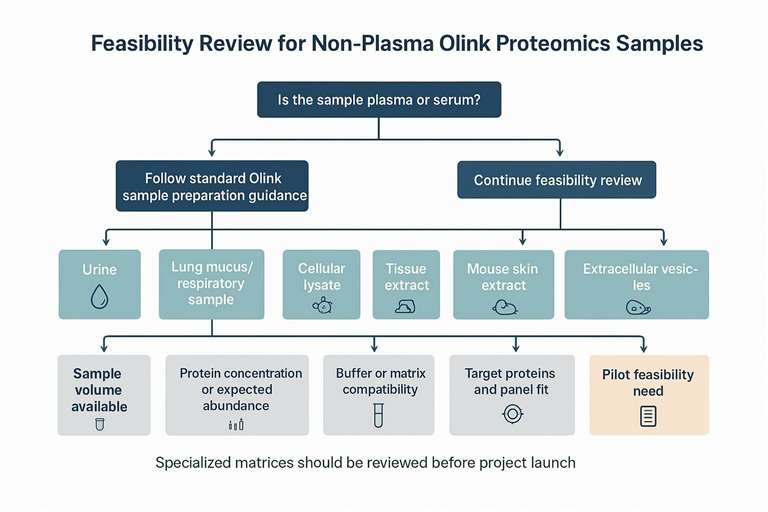 A structured feasibility review helps determine whether non-plasma samples are suitable for Olink proteomics or require pilot testing.
When should you consider mass spectrometry instead of Olink?
A practical comparison
| Project goal | Olink may fit when | Mass spectrometry may fit when |
| Targeted pathway profiling | Candidate proteins are covered by panels | Targets are unknown or not panel-covered |
| EV biomarker follow-up | You want consistent, targeted readouts | Broad EV cargo discovery is needed |
| Tissue/lysate studies | Matrix/buffer are compatible and consistent | Broad intracellular discovery is the priority |
| Cohort-scale profiling | Many samples need targeted readouts | Depth is more important than throughput |
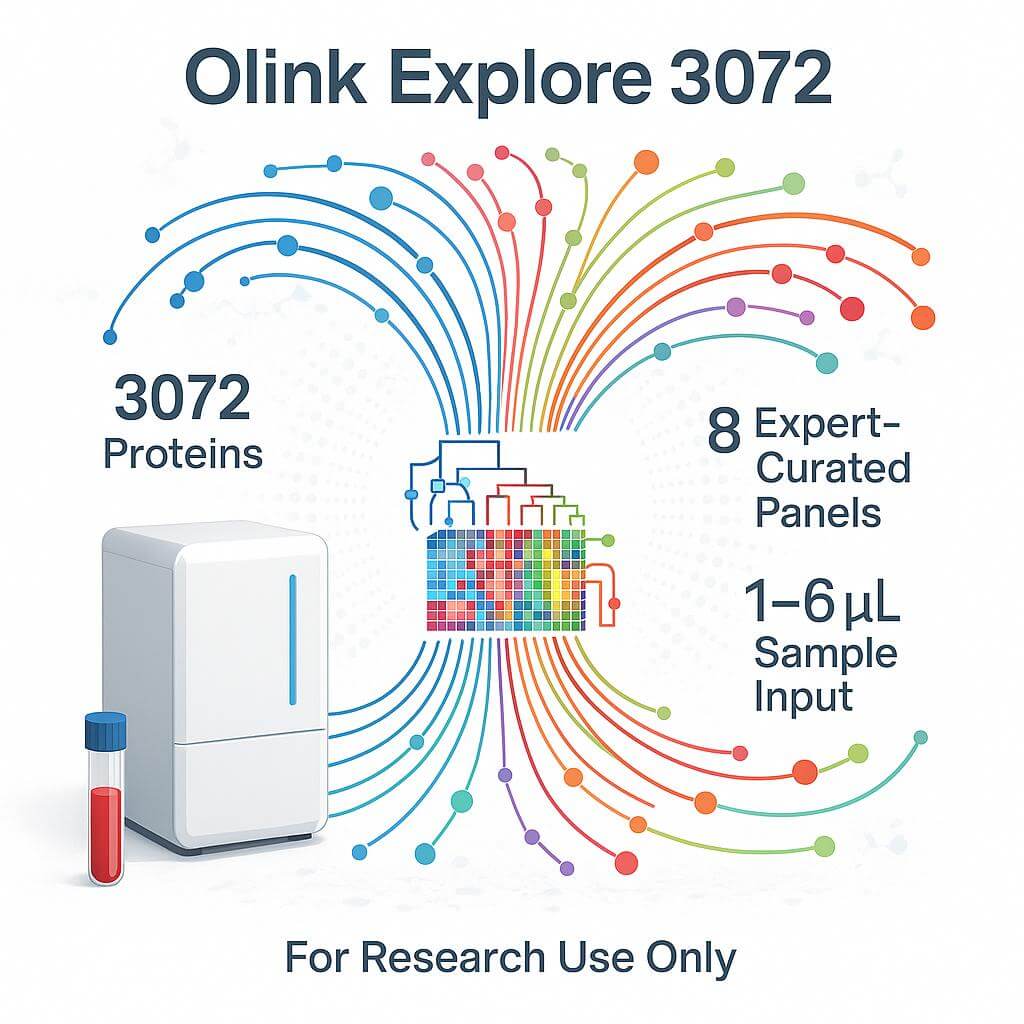
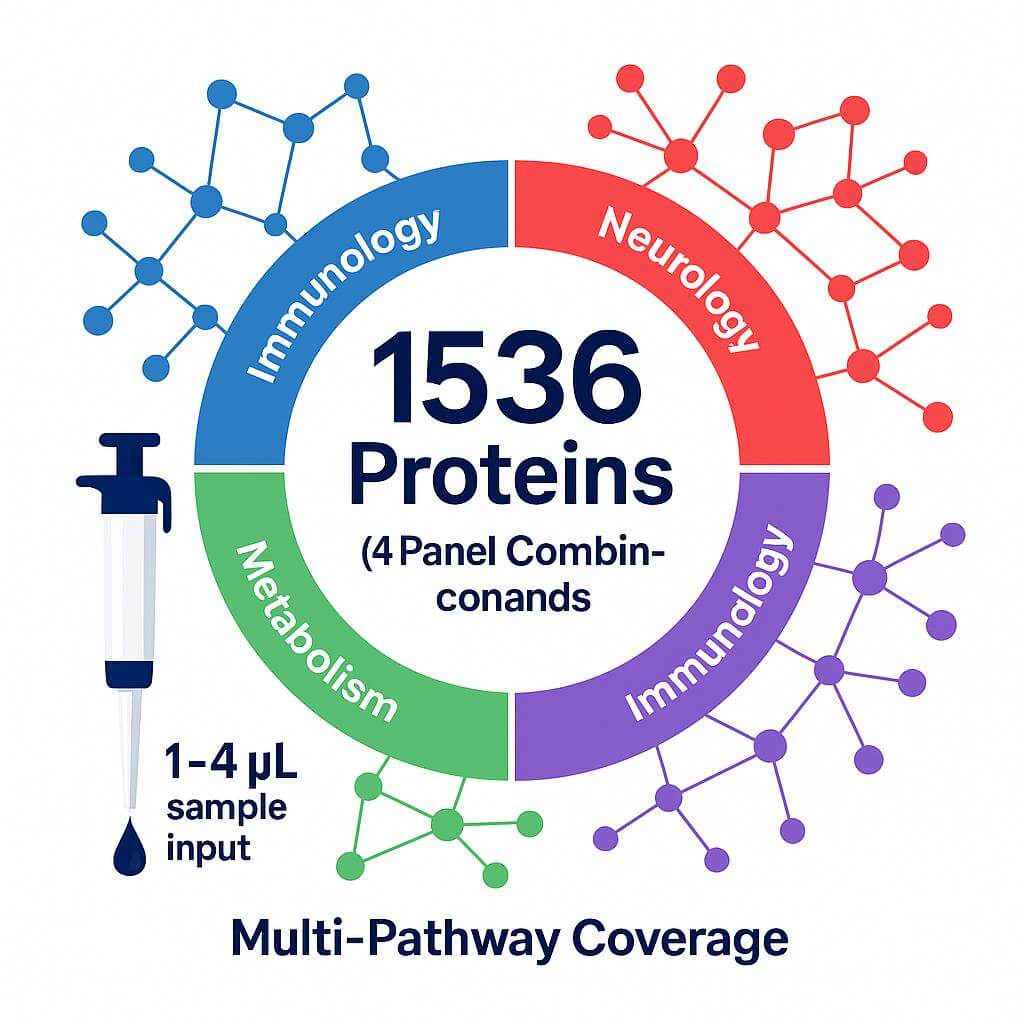
For panel selection context, see the Olink Explore 1536 Protein Analysis and Biomarker Discovery Service.
Common mistakes when planning non-plasma Olink proteomics
- Treating urine, mucus, lysates, and EVs as "just like plasma"
- Not reporting buffer composition for lysates/tissues
- Picking a panel before checking biological fit and detectability
- Scaling to all samples without a pilot when the matrix is untested
- Letting extraction/handling differ across comparison groups
What to prepare before requesting a quote for specialized samples
Use this as a quote-prep checklist for Olink sample preparation scoping:
- Sample type/source and species
- Number of samples; comparison groups; objective
- Collection/processing workflow + clarification steps
- Buffer composition (lysates/tissue extracts)
- EV isolation method (if EVs)
- Storage conditions and freeze–thaw count
- Volume per sample; protein concentration (if available)
- Candidate panels / must-have proteins
- Desired deliverables (data only vs QC + report + downstream analysis)
Mid-project scoping can be simplified by aligning to Olink sample preparation guidelines and the Olink Proteomics Submission Guidelines.
Next step (feasibility review): If you share your matrix details (sample type, prep method and buffers, available volume/protein input, and target pathways/panels), a feasibility review can clarify whether to proceed with Olink, run a pilot, or start with LC–MS.
Conclusion: Review the matrix before committing valuable samples
Non-plasma Olink proteomics may be scientifically valuable, but feasibility depends on matrix effects, protein abundance, buffer compatibility, and panel fit. A short feasibility review (and sometimes a small pilot) is often the fastest way to protect rare samples and keep interpretation clean.
If you're ready to scope a project, send: (1) matrix + species, (2) collection/processing, (3) storage and freeze–thaw history, (4) volume/protein input, and (5) target pathways or must-have proteins. We can then advise whether Olink, LC–MS, or a combined workflow best matches your objective.
FAQ
Can Olink proteomics be used for urine samples?
Urine samples may be considered depending on protein concentration, handling, panel fit, and study goals. Because urine is often dilute and variable, a feasibility review or small pilot may be recommended before scaling to a full cohort.
Can Olink analyze cellular lysates?
Cellular lysates may be feasible, but buffer components (especially detergents, salt, and reducing agents), viscosity, and total protein concentration should be reviewed because they can affect assay behavior and comparability.
Can Olink be used for extracellular vesicle samples?
Olink may be useful for targeted EV protein profiling when candidate pathways are defined and panel coverage matches. Feasibility depends strongly on EV isolation method, protein input, and background contamination.
Can Olink work with mouse skin or tissue extracts?
Mouse skin and tissue extracts are specialized matrices. Suitability depends on preparation consistency, extraction buffer composition, protein yield, species/panel match, and expected target abundance.
When is mass spectrometry better than Olink for specialized samples?
Mass spectrometry is often better when the goal is broad, untargeted discovery; when targets are unknown or not panel-covered; or when the matrix requires customized cleanup and characterization.
What information is needed for a non-plasma Olink sample quote?
Provide sample type and source, species, collection and processing details (including buffer composition for lysates), available volume/protein concentration, storage and freeze–thaw history, study objective, target pathways/proteins, and any panel preference.
About the Author
CAIMEI LI is a Senior Scientist at Creative Proteomics with experience supporting proteomics study design, biomarker analysis, and research-use-only assay planning for biomedical and translational research projects.
LinkedIn: CAIMEI LI
Research Use Only (RUO) Disclaimer: All services and results referenced are intended for research use only and are not intended for diagnostic, prognostic, or therapeutic applications.